
Acupuncture and dry needling for sports injuries
Care for strains, sprains, and overuse injuries, planned around your training. I use dry needling, electroacupuncture, and cupping to ease pain and help you get back to what you love.
Jason Rinker, L.Ac., Dipl. O.M. · Practicing since 1999 · Columbia, PA
When an injury keeps you on the sidelines
Whether you run, lift, climb, play a team sport, or just like to stay active, an injury that won't settle is frustrating. Resting helps, but it doesn't always fix the problem.
Whether you're a weekend runner or training hard, the goal is the same: calm the pain and tight muscles so you can get back into your training.
- Muscle strains and tightness
- Runner's knee and IT band pain
- Shoulder and elbow overuse
- Ankle sprains that linger
- Shin splints and calf pain
- Recovery between hard sessions
If this sounds like you, let's take a look.
Book online, or call or text me with a question first.
How I approach sports injuries
I look at the injured area and at how you move in your sport, because overuse injuries usually come from a pattern, not a single moment.
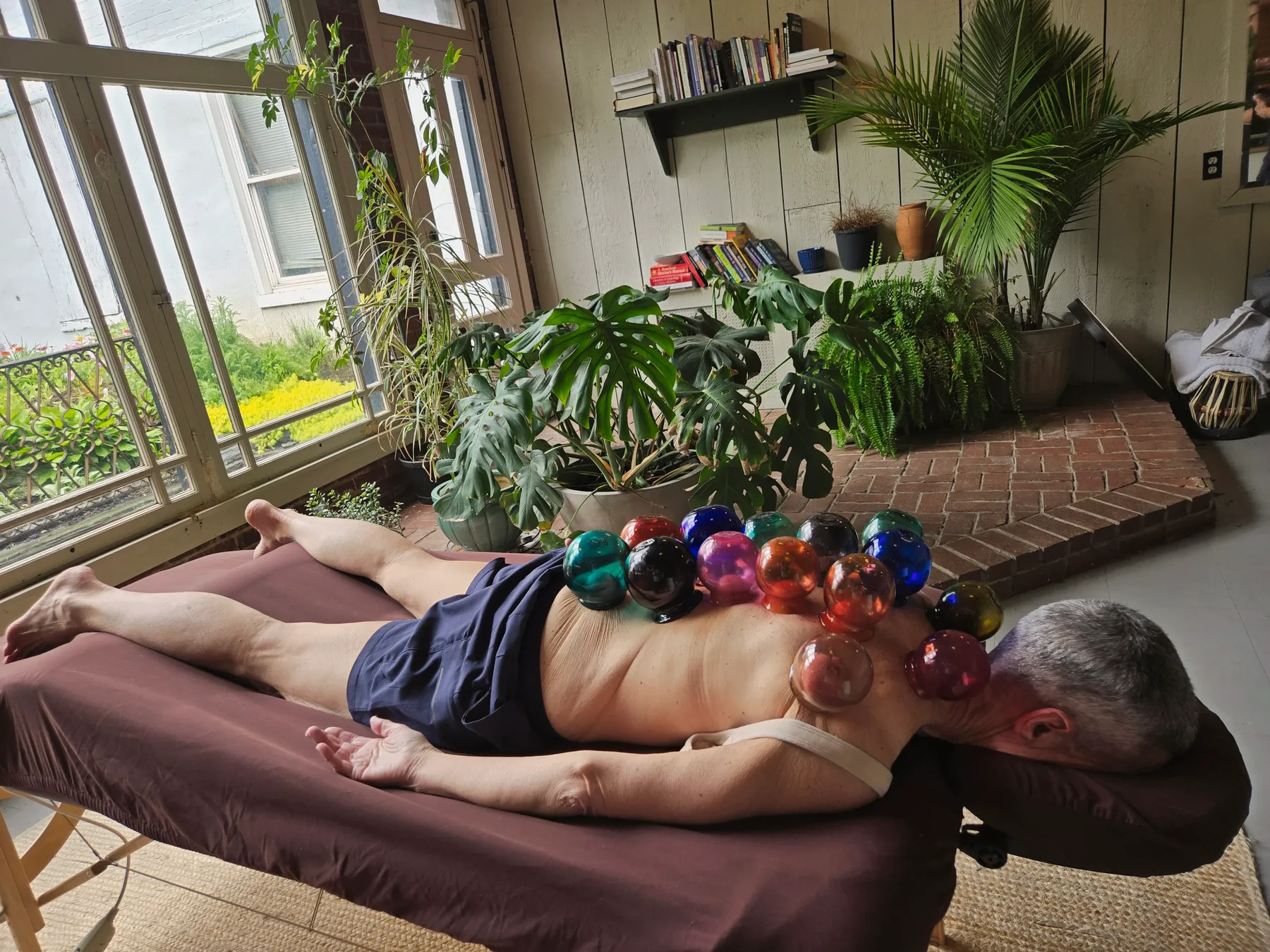
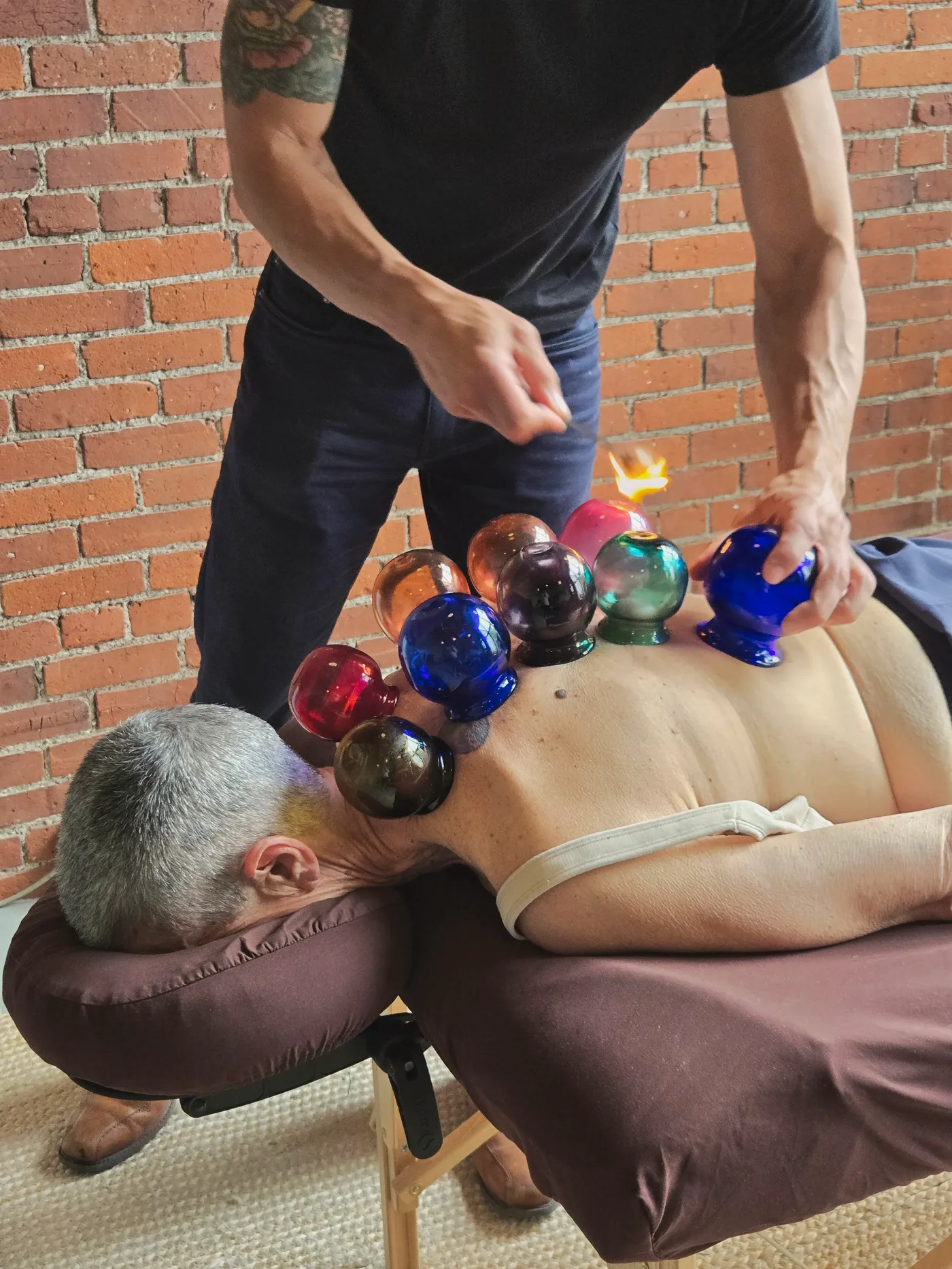
Treatment often combines dry needling for tight muscles, electroacupuncture to calm pain, and cupping or hands-on work for recovery.
- Your history
- Where it hurts, how long it's been going on, any injuries or surgeries, and what you've already tried.
- Your training
- What you do, how often, and what changed before the injury started.
- Nerves and muscles
- Tender points, tight bands of muscle, and how the nerves in the area respond.
- Your other care
- Imaging, test results, and what your doctor, physical therapist, or chiropractor is doing, so my care fits with theirs.
- The tools I use
- Acupuncture, electroacupuncture, dry needling, cupping, and manual therapy. I choose what fits you, and I explain each one before I use it.
Your first appointment
Wear or bring clothes you can move in, so I can see the movements that bother you.
We talk first
We sit down and go through what's bothering you, when it started, what makes it better or worse, and what you've already tried.
I look at how you move
I check your movement, where it's tender, and how your nerves and muscles respond, so treatment matches what's actually going on.
Treatment and a plan
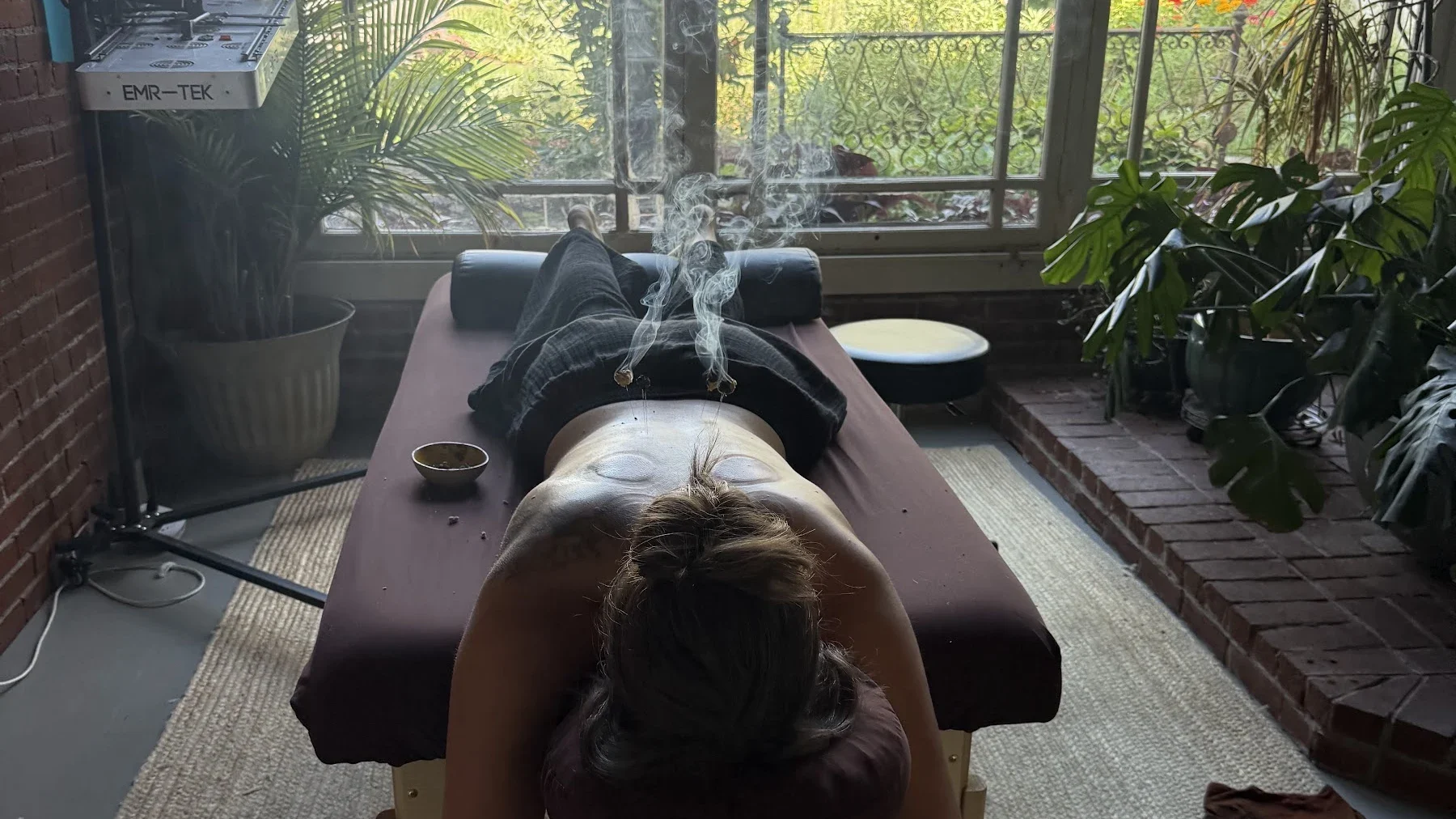
Then I treat, often with electroacupuncture. Before you leave, I'll tell you what I found and suggest how often to come in.
Planning around your training
I plan treatment around your sessions and events, not the other way around.
- New injuries
- Early visits focus on calming pain so you can keep moving safely.
- Back to training
- As you return, we time visits so you're not sore before a key session.
- Before an event
- Lighter treatment close to race or game day, so you feel loose rather than sore.
- Your coach or PT
- I'm happy to work alongside your coach, trainer, or physical therapist.
What the research shows
Here is what published studies have found, in plain language. The sources are listed below if you'd like to read them.
Muscle pain and trigger points
- A review of 13 randomized trials found dry needling reduced pain for up to 12 weeks compared with no treatment, sham treatment, or other treatments.
- The same review found that treated areas became less sensitive to pressure.
Shoulder, neck, and back pain
- An analysis of 39 trials with more than 20,000 patients found acupuncture eased back and neck pain, osteoarthritis, chronic headache, and shoulder pain more than sham or no acupuncture.
Natural pain relief
- Research on electroacupuncture shows that different pulse frequencies prompt the body to release different natural pain-relieving chemicals, including endorphins.
Studies vary in size and quality, and everyone responds differently. I'll always tell you honestly what I think acupuncture can do for you.
Sources
- Gattie E et al. The effectiveness of trigger point dry needling for musculoskeletal conditions by physical therapists: a systematic review and meta-analysis. JOSPT, 2017.
- Vickers AJ et al. Acupuncture for chronic pain: update of an individual patient data meta-analysis. J Pain, 2018.
- Han JS. Acupuncture: neuropeptide release produced by electrical stimulation of different frequencies. Trends Neurosci, 2003.
Care from Jason Rinker
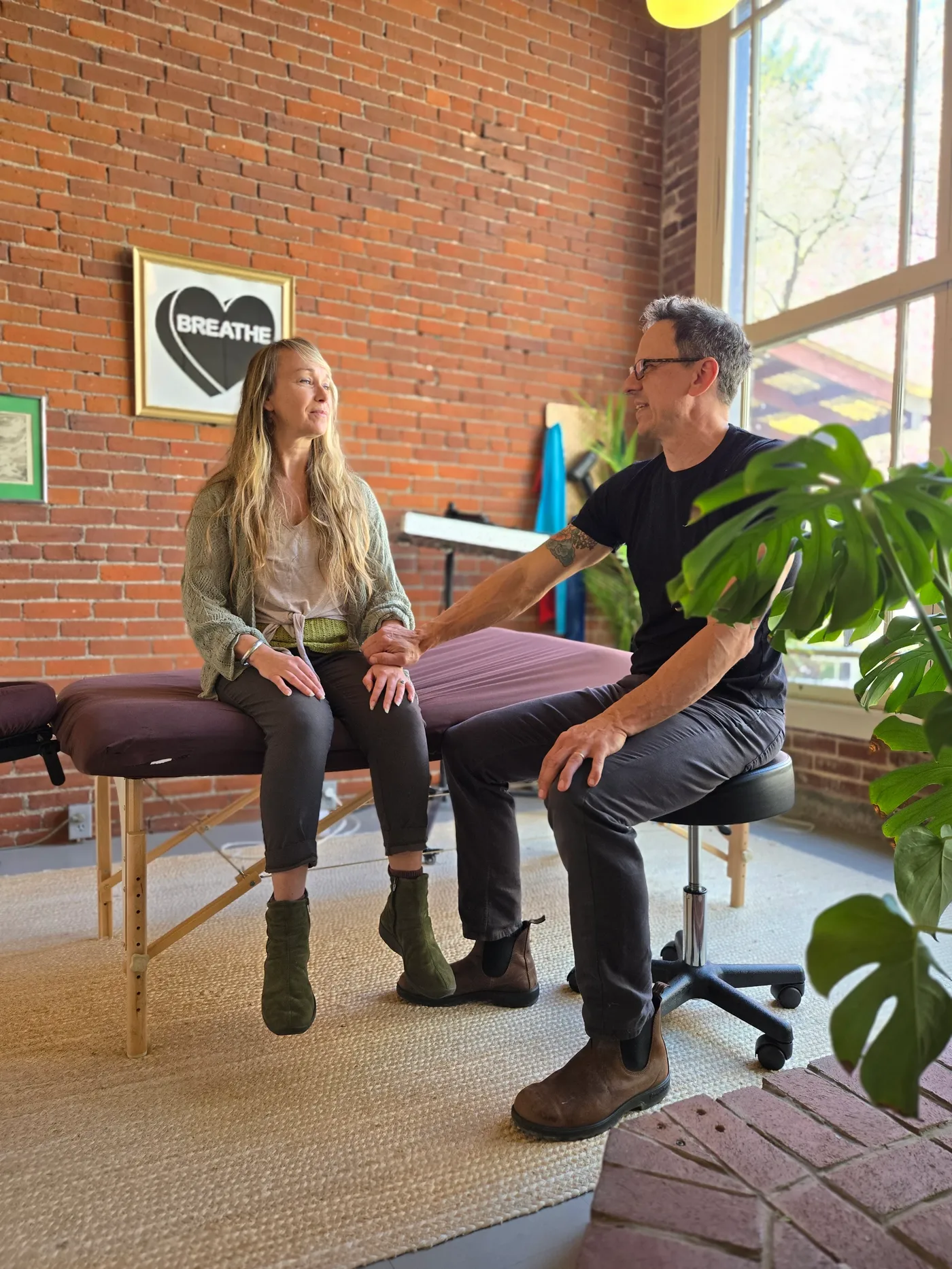
I'm Jason Rinker. I'm a licensed acupuncturist and a Diplomate of Oriental Medicine (NCCAOM), and I've practiced since 1999. Much of my work is orthopedic and neurological care: pain, injuries, and nerve problems.
Every visit is with me from start to finish. I explain what I'm doing and why, and I adjust the plan as you change.
We treat the nervous system, not just symptoms. The goal is to help you move, sleep, and work with less pain.
- L.Ac., Licensed Acupuncturist
- Dipl. O.M., Diplomate of Oriental Medicine (NCCAOM)
- Practicing since 1999
- Private practice in Columbia, PA
Questions people ask me
Let's get you back to training
Book your first visit online, or call or text me if you'd like to ask a question first.